Skip to content
The Temporomandibular Joint: An Easy Anatomy Lesson Understanding Its Structure and Why It Sometimes Goes Wrong

The Temporomandibular Joint: An Easy Anatomy Lesson Understanding Its Structure and Why It Sometimes Goes Wrong

Headaches Joint Pain Muscle Strain Neck Pain Tension Fatigue

What Is the Temporomandibular Joint?


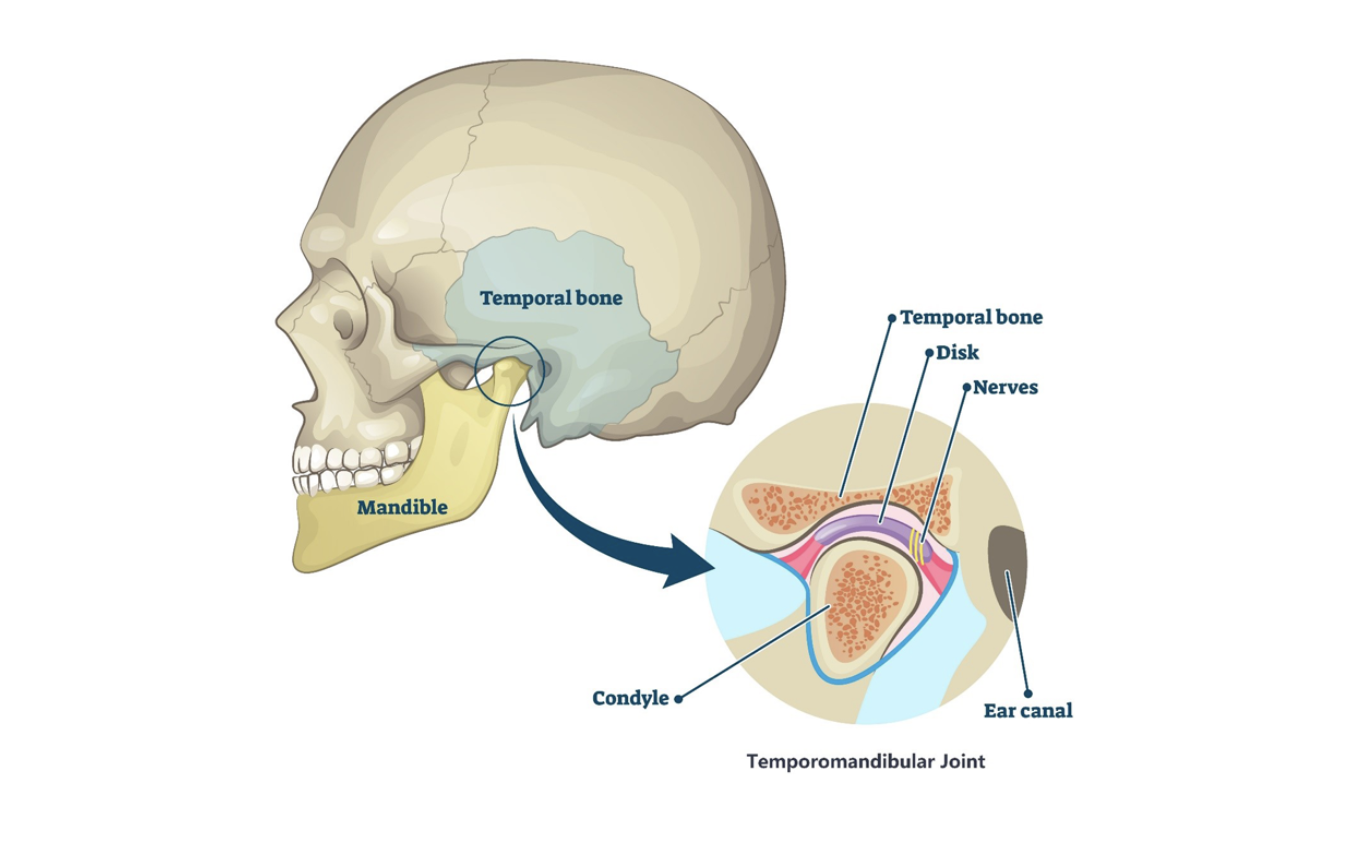
The temporomandibular joint, often called the TMJ, is a small but mighty hinge that connects your jawbone to your skull. You’ll find it just in front of your ears on both sides of your face. This joint works hard every day in helping you to talk, chew, yawn, and even laugh. Because of its central role in everyday life, the TMJ is one of the most complex joints in your body.

To understand why the TMJ can sometimes become dysfunctional, it’s helpful to break down its anatomy. The TMJ is made up of three main parts:


  • – Mandible: This is your lower jawbone. It moves up, down, and sideways, allowing you to open and close your mouth.
  • – Temporal bone: This is part of your skull, forming the socket for the joint.
  • – Articular disc: A small, cushion-like pad sits between the mandible and the temporal bone. This disc absorbs shock and allows smooth movement.

Anatomy of the Temporomandibular Joint


Ligaments and muscles also support the TMJ, guiding its movements and keeping it stable. The joint’s movements are a combination of sliding and hinging, which is pretty unique compared to other joints in the body.


Key Muscles That Can Contribute to TMJ Pain

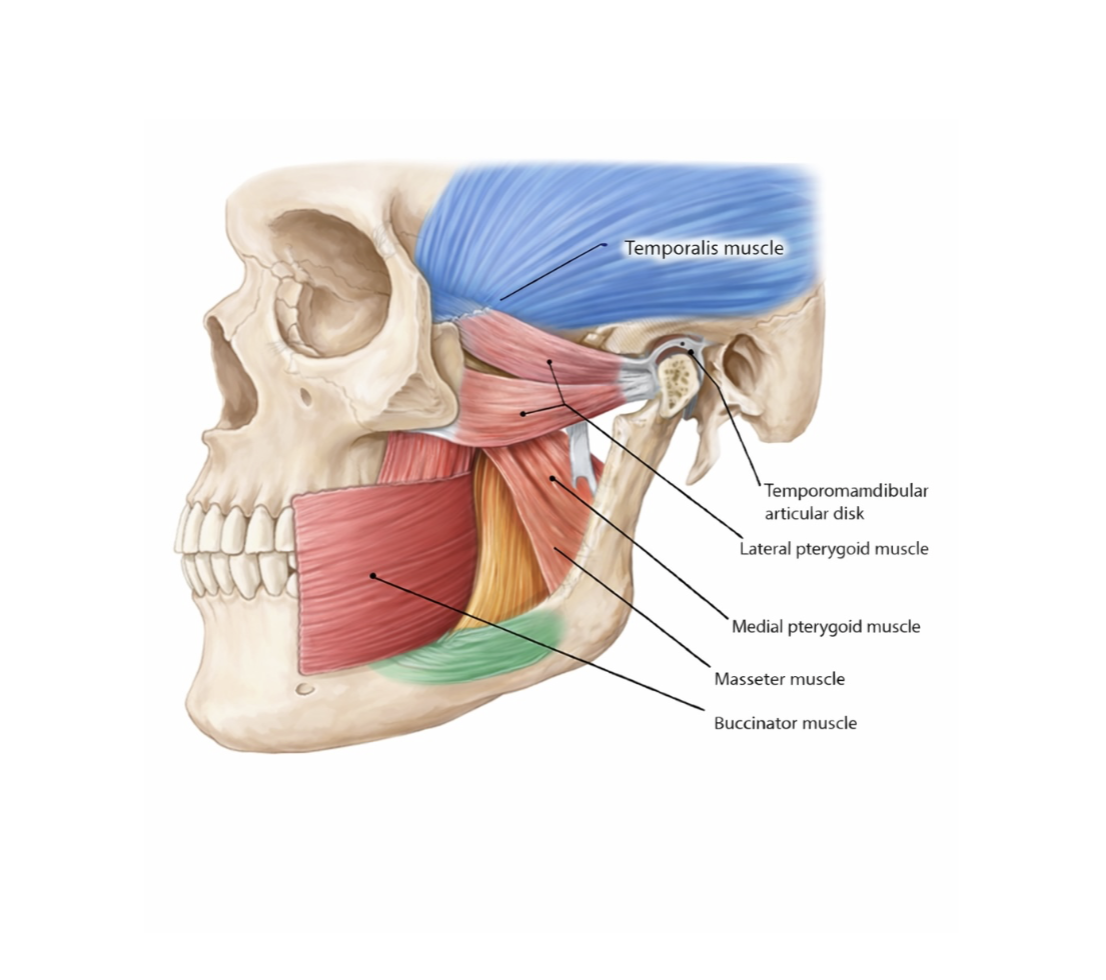
Temporomandibular joint (TMJ) pain is often influenced by the muscles that control jaw movement. When these muscles become overactive, tight, or develop trigger points, they can contribute to jaw pain, headaches, clicking, stiffness, and difficulty chewing. Understanding the role of these muscles can help guide effective treatment.


Masseter

The masseter is one of the strongest muscles in the body relative to its size and is primarily responsible for closing the jaw. Located at the angle of the jaw, it is commonly involved in TMJ-related pain, particularly in people who clench or grind their teeth.

When the masseter becomes overactive, it can develop areas of tension and trigger points that refer pain into the jaw joint, cheek, ear region, and even the lower teeth. Patients may also experience jaw fatigue, tightness, or discomfort when chewing.


Temporalis

The temporalis is a broad, fan-shaped muscle located on the side of the head. It assists with closing the jaw and pulling it backwards during movement.

Tension within the temporalis can contribute to pain around the temples, forehead, and eye region. It is frequently associated with headache-dominant TMJ presentations and is often affected by stress-related jaw clenching.


Medial Pterygoid

The medial pterygoid is a deep muscle located on the inside of the jaw. It plays an important role in jaw elevation, stability, and efficient chewing function.

Because of its deep location, dysfunction within this muscle can sometimes be overlooked. Tightness or trigger points may cause deep, difficult-to-localise jaw pain, restricted mouth opening, and a sensation of jaw stiffness. Ongoing irritation in this muscle can contribute to persistent TMJ symptoms if not adequately addressed.


Lateral Pterygoid

The lateral pterygoid is a key muscle involved in opening the jaw, moving it forwards, and guiding side-to-side movements. It also plays a significant role in controlling the mechanics of the jaw joint and the position of the articular disc.

When the lateral pterygoid becomes overactive or dysfunctional, it may contribute to symptoms such as jaw clicking, joint irritation, episodes of locking, and pain that feels deep within the joint itself. Due to its deep anatomical location and proximity to important structures, assessment and treatment of this muscle often require advanced clinical expertise.

Why Is the TMJ predisposed to dysfunction?


TMJ dysfunction (often called TMD) is a term used when the joint isn’t working properly. This can lead to symptoms like jaw pain, headaches, earaches, clicking noises, and difficulty opening or closing the mouth. But why does it happen?


Common Causes of TMJ Dysfunction


  1. 1. Stress and Muscle Tension: Many people clench or grind their teeth without realising, especially when stressed. This puts extra pressure on the TMJ and its supporting muscles, leading to pain and stiffness.
  2. 2. Injury or Trauma: A blow to the jaw, whiplash, or even dental work can upset the balance of the joint, causing dysfunction.
  3. 3. Arthritis: Just like other joints, the TMJ can be affected by inflammatory or degenerative arthritis, leading to pain and restricted movement.
  4. 4. Structural Issues: Sometimes, the disc inside the joint can be a source of pain, or the mandible is more restricted on one side more than another. This can result in clicking sounds and limited movement.
  5. 5. Habits and Posture: Chewing gum excessively, biting nails, or poor posture (especially when using devices) can strain the TMJ over time.


What Can Physiotherapy Do?

The good news is that physiotherapy can help. Physios can assess the jaw’s movement, identify muscle imbalances, and teach you gentle exercises to relieve pain and restore function. They may also address posture, stress management, and teach relaxation techniques. Education is key! Understanding the TMJ and how to look after it can make a big difference.


Takeaway Tips for a Healthy TMJ

  • – Be aware of habits like clenching your jaw or tensing through your neck and shoulders. 
  • – Ensure to avoid prolonged postures, especially at your desk or while using devices.
  • – Try relaxation techniques to manage stress.
  • – If you notice persistent jaw pain or clicking, see a physiotherapist for assessment and advice.

The TMJ is a vital joint that deserves care and attention. By understanding its anatomy and the reasons it sometimes dysfunctions, you can take proactive steps to keep it healthy so you can keep smiling, talking, and enjoying life without pain.