How to Reduce Knee Swelling (and What We’d Push Back On)
Resting until the swelling disappears is the most common mistake we see. It feels sensible. But a still knee loses strength fast, and without muscles squeezing the fluid out, the swelling often lingers longer. Gentle movement is better. Try tightening your thigh muscle while you sit at your desk, circling your ankle, or slowly sliding your heel towards you and back.
Ice helps with knee pain. That’s about it. It won’t fix anything on its own, so use it for comfort and not as a treatment plan.
For a fresh sprain or twist, we’d generally rather you hold off anti-inflammatory tablets for the first couple of days, because some of that early inflammation is part of healing. For an arthritis flare or gout, they can be genuinely useful. Either way, check with your GP or pharmacist first, especially if you have stomach, kidney or heart issues.
And scans? Plenty of people want one straight away. We understand why. But many people with completely comfortable knees show “tears” on an MRI, so a scan without a proper hands on assessment can create more worry than answers. Assessment first, scan if it will change the plan.
The Morning After Test for Knee Pain and Swelling
This is the most useful thing you can do at home. Check your knee the morning after activity.
If it’s the same or better, carry on. If it’s a little puffier but settles by lunchtime, hold steady rather than adding more. If it’s noticeably bigger, stiffer or sorer, yesterday was too much, so scale back and try again in a couple of days.
It’s simple. It’s also far more reliable than how the knee feels during the activity, which is when most people make the wrong call.
How Our Physios Treat a Swollen Knee
Getting rid of the swelling is the easy part, because swelling nearly always goes down eventually. What matters is why it turned up, and whether it’ll be back the next time you play, garden or kneel on a tiled floor.
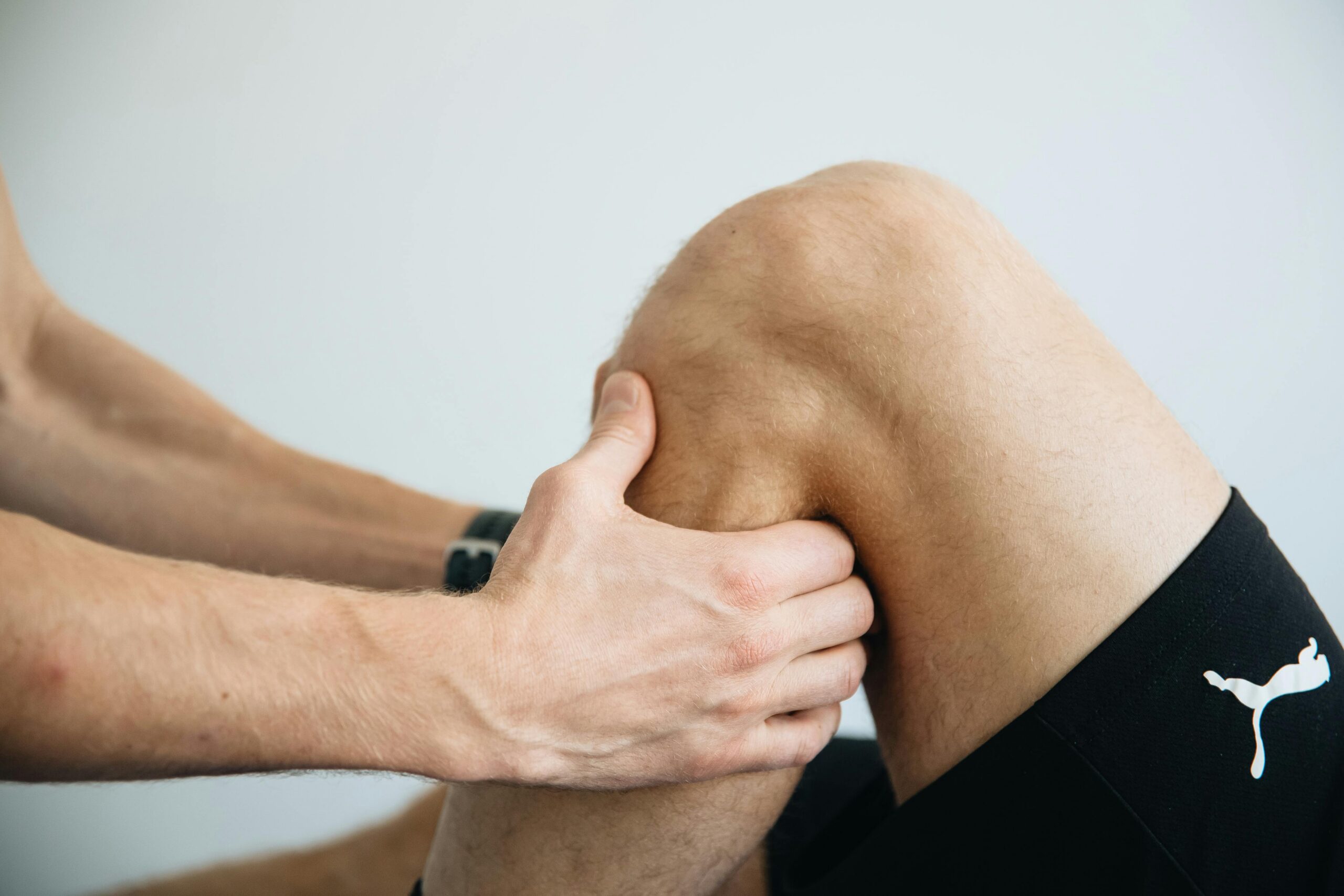
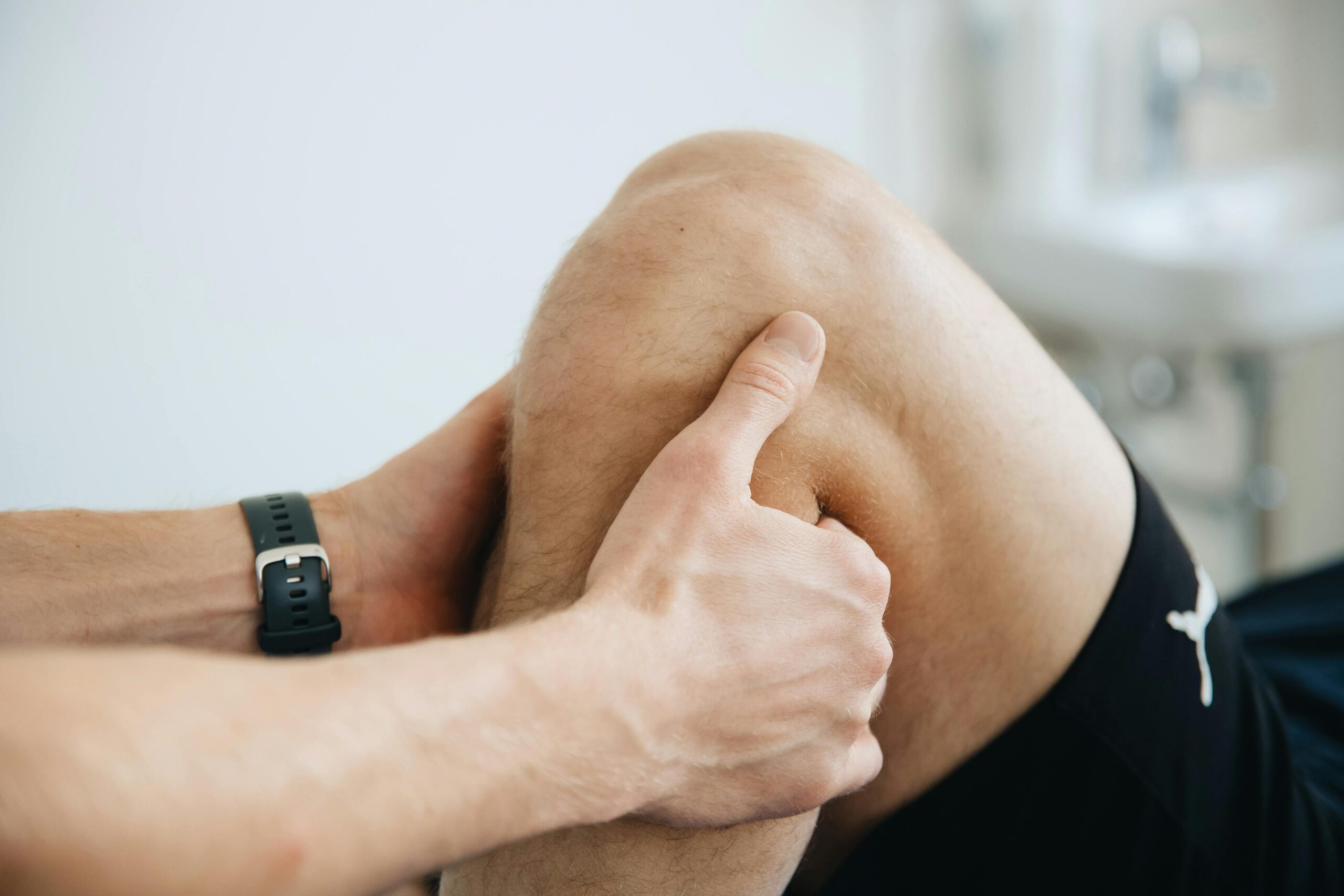
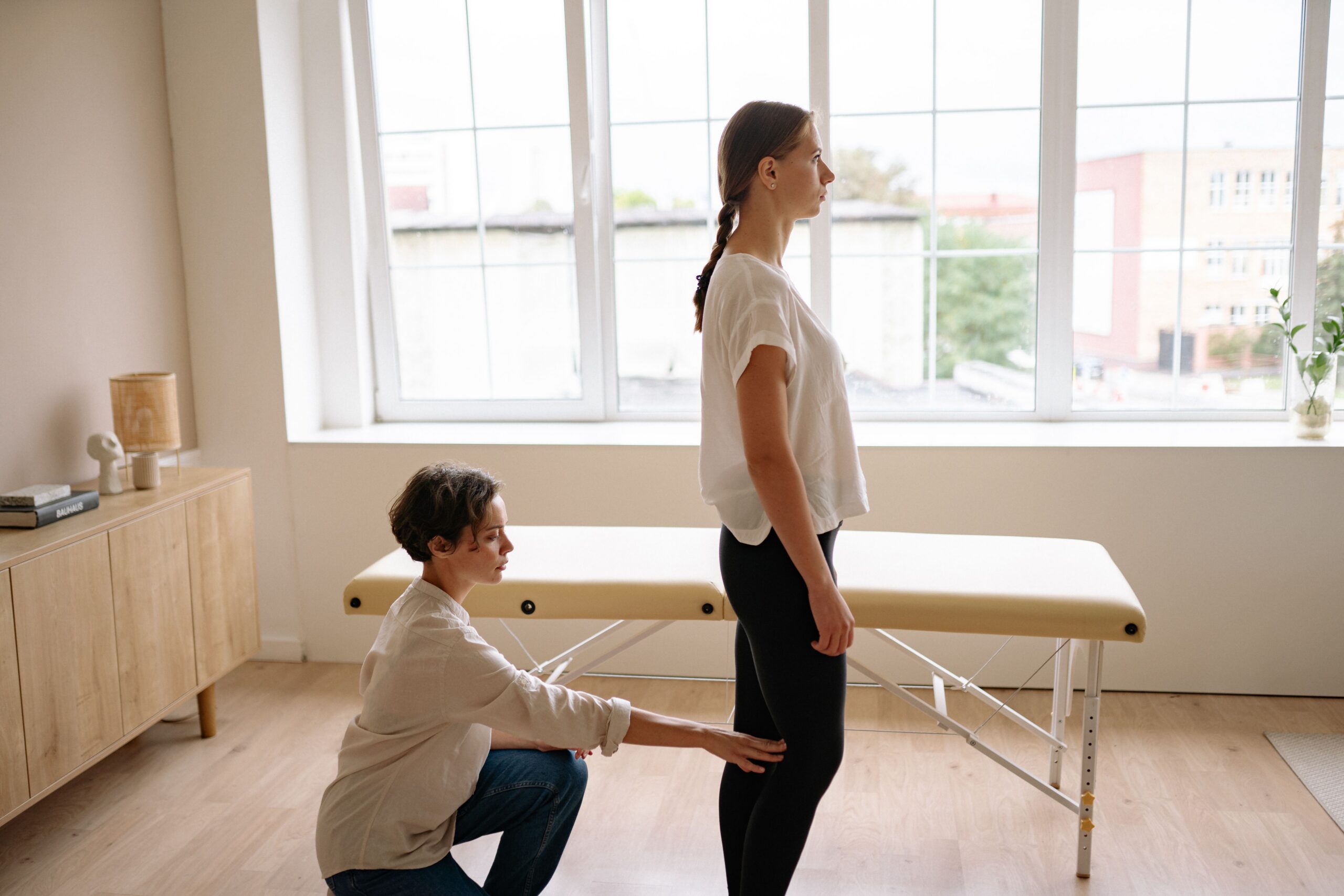
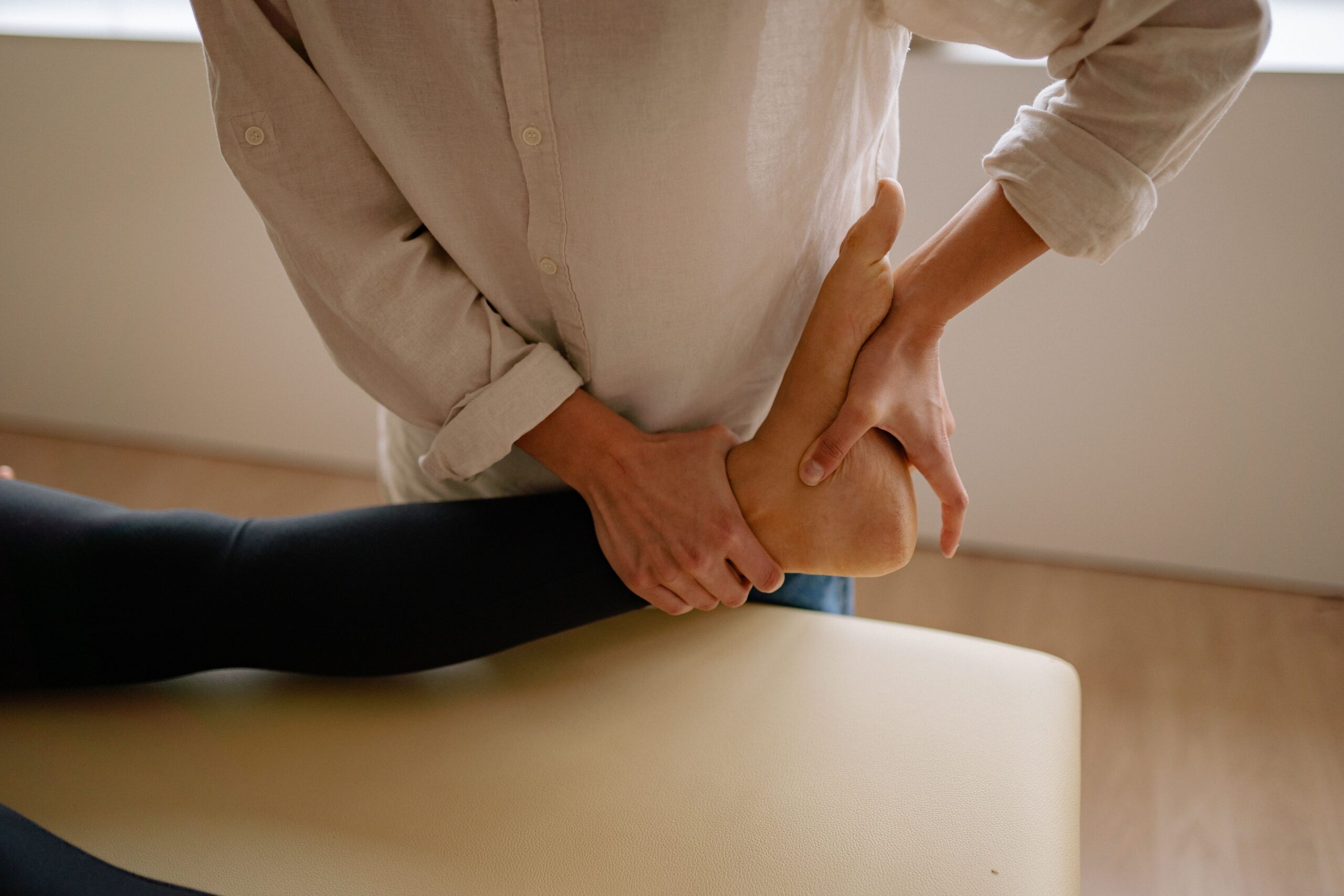
So your first visit is mostly questions and testing. We’ll ask how it happened, what your knee does on the stairs, and what you’re itching to get back to. Then we put hands on the knee and check how it moves, where it’s tender, and how well those thigh muscles actually switch on. You’ll leave with a handful of exercises (usually three or four, not fifteen) and a clear idea of what’s going on.
If something needs a scan or a surgeon’s eye, we know exactly who to send you to. We’ve worked alongside the same local GPs and specialists for years. That counts for a lot whether you’re rebuilding after ACL surgery, learning to live well with arthritis, or six weeks out from a knee replacement and wondering if the swelling will ever settle. (It will. Slowly.)
No referral needed, by the way. Just book.
Book a Swollen Knee Assessment With Our South Melbourne Physios
A knee that ballooned quickly after an injury deserves a look this week. A knee that’s been puffy, tight or a bit untrustworthy for more than a fortnight deserves one too, even if the knee pain is mild.
Especially if it’s mild, actually. That’s the knee people ignore right up until it gives way.
We’ve been looking after South Melbourne knees since 1987. Footy knees, dancers’ knees, knees that have climbed the stairs of the same terrace house for 40 years. Yours won’t be the first we’ve seen, and we’d genuinely like to help.
Book online or give reception a ring on (03) 9696 2180. You’ll find us at 500 City South Rd, South Melbourne. We open at 7.30am on weekdays and stay open until 8pm, so squeezing in an appointment before or after work is easy.