Skip to content
How to Strengthen Your Core for Better Posture (And Why What You’ve Been Told Is Only Half the Story)

How to Strengthen Your Core for Better Posture (And Why What You’ve Been Told Is Only Half the Story)

Back Pain Headaches Joint Pain Mobility Muscle Strain Neck Pain Shoulder Pain Tension Fatigue


Most people reading this have already tried. They’ve done the planks. They set a timer, dropped to their forearms, held for sixty seconds while their lower back quietly took over, and called it a core workout. They did this three times a week for two months and their posture didn’t change. So they concluded, reasonably enough, that core work doesn’t really work for posture.

The problem isn’t effort. It’s that “strengthen your core” is one of the most poorly explained pieces of advice in mainstream health, repeated constantly and almost never unpacked. This article is an attempt to unpack it properly.


Your Core Is Not Your Abs

The core, as physiotherapists understand and assess it, is a pressure canister formed by four structures working in concert. The diaphragm forms the lid. The pelvic floor forms the base. The transverse abdominis wraps around the sides and front like a corset. The multifidus runs along the back of the spine, segmentally, providing the deep posterior wall. 

When all four contract together in a coordinated sequence, they produce intra-abdominal pressure that gives the spine a stable foundation to move from. This is what allows you to lift a heavy bag, sit at a desk for three hours, or carry a child on your hip without your spine buckling under cumulative load.

The rectus abdominis, the muscle that produces a “six-pack,” is a powerful mover. It flexes the trunk. But it contributes very little to the deep stabilising pressure that posture actually depends on.

This is why the person at the gym with defined abs and dreadful posture is not a contradiction. It makes complete physiological sense.


The Difference Between Core Stability and Strength

Core strength refers to how much force a muscle can produce. Core stability refers to whether the right muscles are activating at the right time, with the right coordination, to control spinal position across a sustained period. 

Posture is almost entirely a stability problem, not a strength problem. 

A client who presents with chronic thoracic rounding and forward head posture rarely has weak muscles in any absolute sense. What they typically have is a deep stabilising system that has gradually switched off, often in response to sustained postures, previous injury, or simple disuse, and a set of superficial global muscles that have stepped in to compensate.

The compensation is the important part. Those superficial muscles were never designed for sustained postural work. They fatigue. They create compression. And they do absolutely nothing to restore the underlying stability deficit that started the problem.

What Actually Happens in the Body When Posture Deteriorates


A graphic designer spends eight hours a day at a monitor that’s slightly too low. Over time, their head gradually migrates forward of their centre of gravity. Every centimetre of forward head posture increases the effective load on the cervical spine by roughly 4 and a half kilos! At a few centimetres forward, the upper trapezius and levator scapulae are working almost continuously just to hold the head up. They tighten. 

The deep neck flexors, which should be stabilising the cervical spine from the front, become inhibited through a process called arthrogenic inhibition and start to underperform. Now the person has neck pain, headaches by Thursday afternoon, and shoulder tension that no amount of massage permanently resolves.

Standard advice at this point is to stretch the neck and strengthen the upper back. That’s not wrong. But it’s treating the symptom. The cervical instability itself, the loss of deep neck flexor function, is what needs to be addressed. And often, when you trace that pattern further down the chain, you find thoracic stiffness that limits extension and forces the head to compensate. Fix the thoracic mobility, restore the deep neck flexors, and the headaches often diminish without any direct cervical treatment at all.

That’s the chain reaction that poor posture creates. And it’s why treating individual muscles in isolation rarely holds.


Why Crunches Are the Wrong Starting Point for Postural Problems

If your primary goal is better posture and reduced back or neck pain, crunches and sit-ups should not be in your program because for someone whose thoracic spine is already habitually flexed and whose lumbar spine is working overtime to compensate, adding repeated loaded flexion trains exactly the pattern you’re trying to move away from.

The same logic applies to jumping straight into heavy planks. A two-minute plank where the lower back sags, the glutes disengage, and the person is essentially hanging off their anterior hip capsule is endurance training for the wrong muscles in a bad position. Worse, the person walks away having “done their core work” and the deep system remains completely uninvolved.

Before any loaded exercise, the question a physiotherapist asks is whether the client can actually find and recruit their transverse abdominis and multifidus in isolation. Not everyone can, at least not initially. Spending time on this feels slow. It is slow. It’s also the part that makes everything else work.

The Four Stages That Produce Real Results

The first stage is activation. 


The goal is teaching the deep system to switch on before load is introduced. Diaphragmatic breathing is the starting point because the diaphragm is both a respiratory muscle and the lid of the core canister. 

Someone who breathes exclusively into their upper chest, chest rising and shoulders lifting with each breath, has a diaphragm that isn’t contributing to core function at all. Retraining this alone produces measurable changes in lumbar stability. 

From there, gentle transverse abdominis cues, pelvic floor engagement, and very low-load dead bug variations where spine position is the entire point. This stage typically takes one to two weeks.


Stage two is endurance. 

Once the deep system is reliably online, the task is holding it under sustained demand. 

Bird dog, glute bridge with breath synchronisation, and a short forearm plank where genuine attention is paid to whether the lumbar spine maintains neutral. The clinical aim here is training the slow-twitch postural fibres. Two to four weeks.


Stage three introduces functional load. 

Pallof press variations, which resist rotation and demand deep core co-contraction against an external pull. Single-leg work. Overhead reaching from a stable lumbar base. The body is now being asked to maintain the postural system it has built while performing tasks that challenge it.


Stage four is carry-over into real life. 

This is where Clinical Pilates is particularly effective because it trains the patterns in the positions where posture actually lives. Sitting upright on a reformer under a controlled load is a fundamentally different stimulus than lying on a gym mat. The former trains posture directly. The latter trains movement that needs to be consciously transferred to posture, and that transfer often doesn’t happen without supervision.

What to Actually Expect and When


Two to four weeks of properly targeted activation work typically produces improved body awareness and reduced end-of-day fatigue. The lower back ache that used to arrive by two in the afternoon starts appearing later, or with less intensity. This is the deep system relearning how to contribute.

By eight to twelve weeks of consistent, progressive work, resting posture genuinely shifts. Patients often notice it themselves in photos or in mirrors without having been reminded to stand up straight. It has become the default.

What determines whether someone improves or plateaus is almost always specificity. A person with anterior pelvic tilt and lumbar hyperlordosis needs a substantially different program from someone with a flexed thoracic spine and inhibited deep neck flexors. Generic routines smooth over those differences. 


If You’ve Been Doing the Work and Nothing Has Changed, Here’s Why

It is almost never a consistency problem. People who reach out to us after months of unrewarded effort are working with incorrect information about what their specific body actually needs.

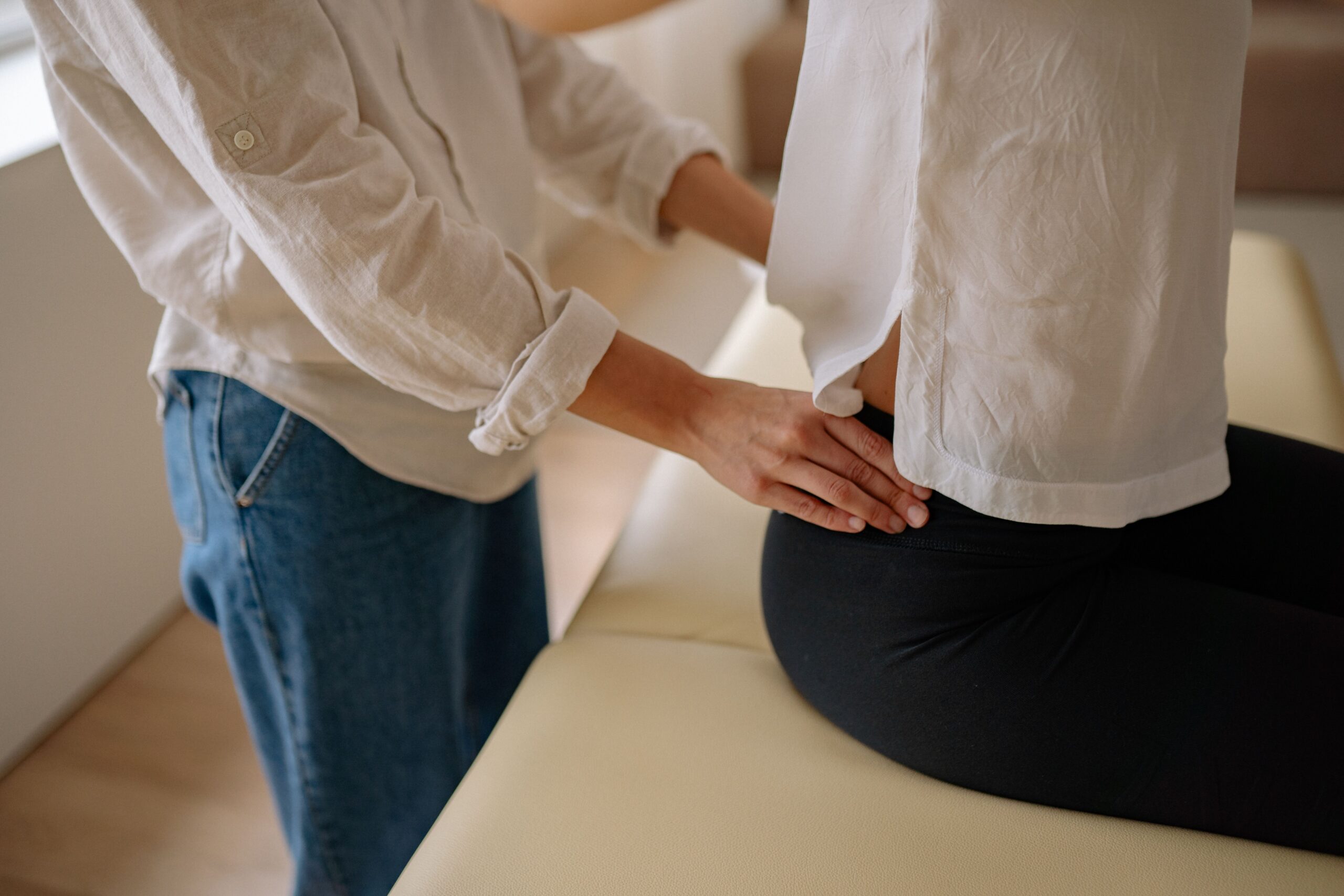
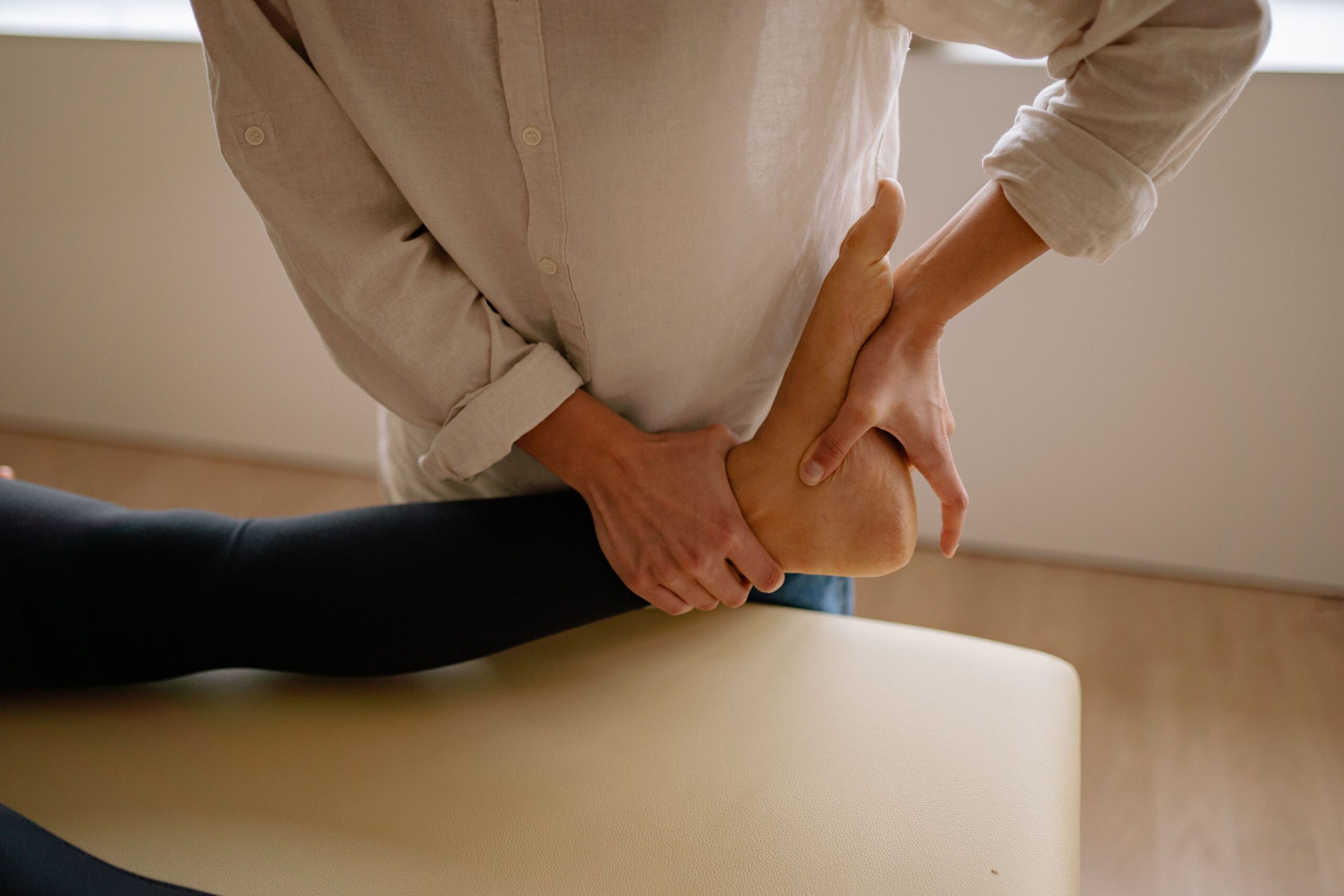
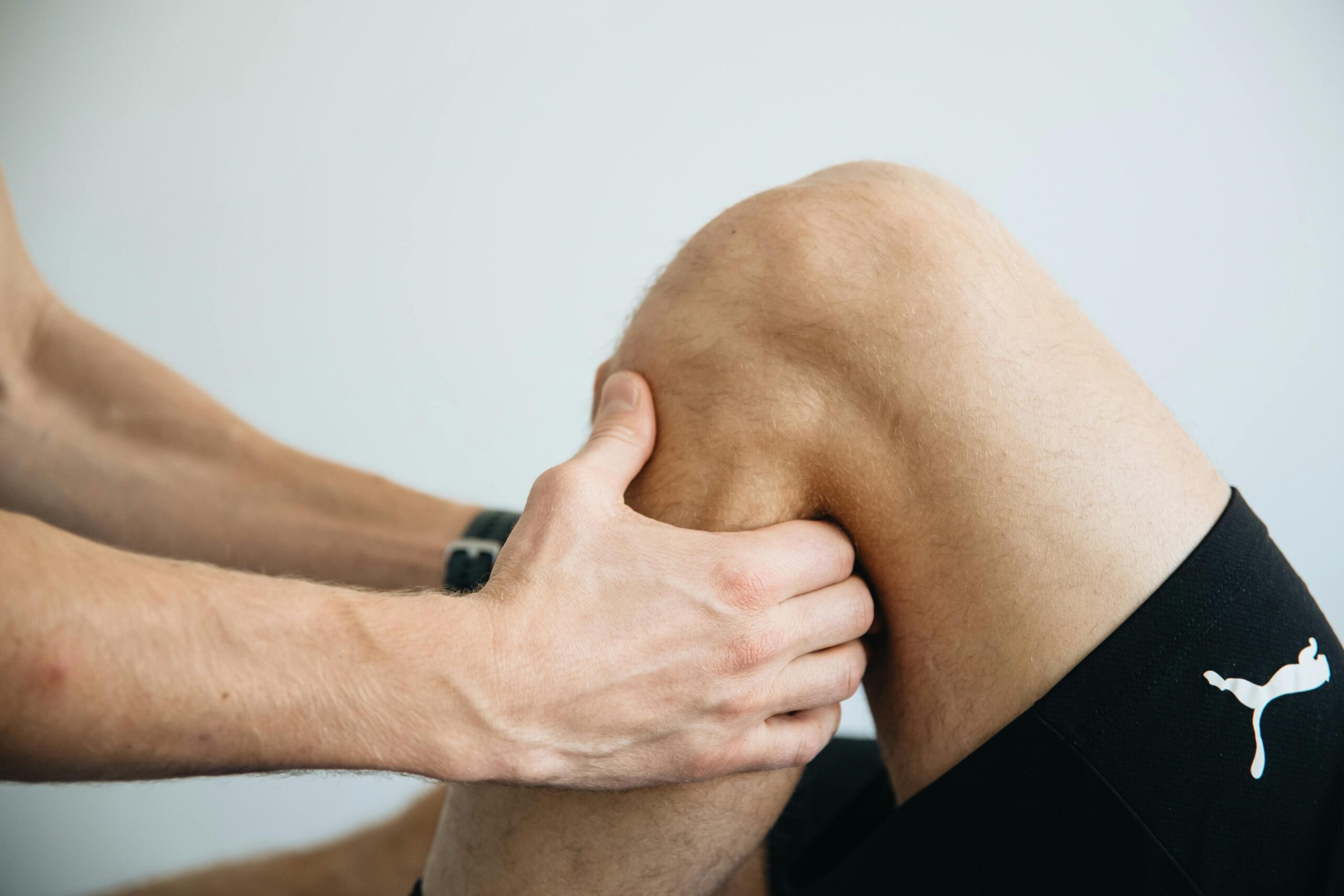
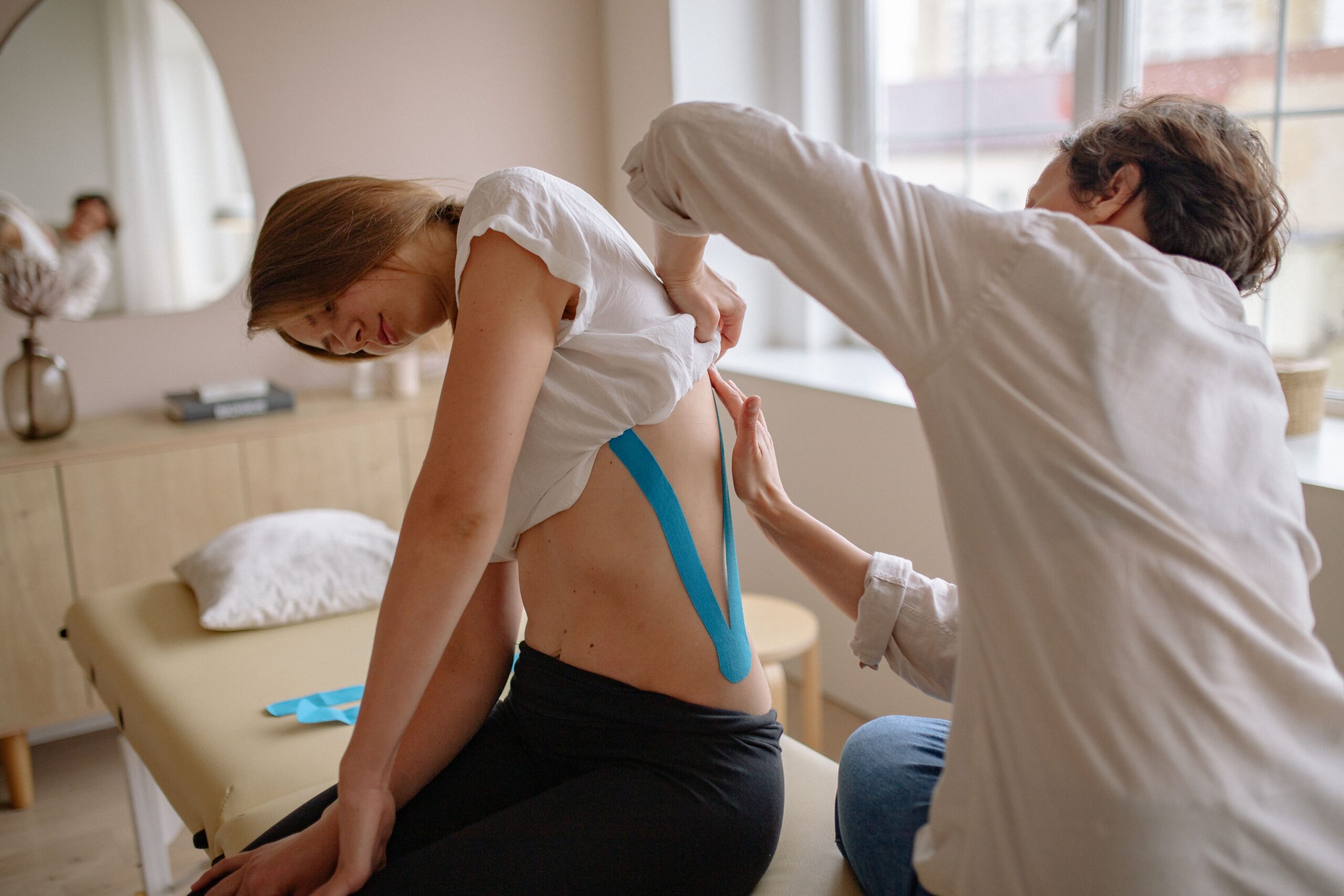
At Instinct South, a posture and core assessment involves a full movement screen to identify which compensatory patterns are operating, hands-on treatment to address the mobility restrictions that are preventing the core from functioning properly, and a staged program built around the specific postural pattern that person presents with. 

For many patients, that includes supervised Clinical Pilates, which provides the externally monitored, progressively loaded environment where real postural change happens fastest.

If you’re in South Melbourne and your posture isn’t responding to what you’ve been doing, book an appointment with our team. Call us on (03) 9696 2180 or book online. We’ve been doing this since 1987. We know the difference between a program that looks right on paper and one that actually changes how you move.