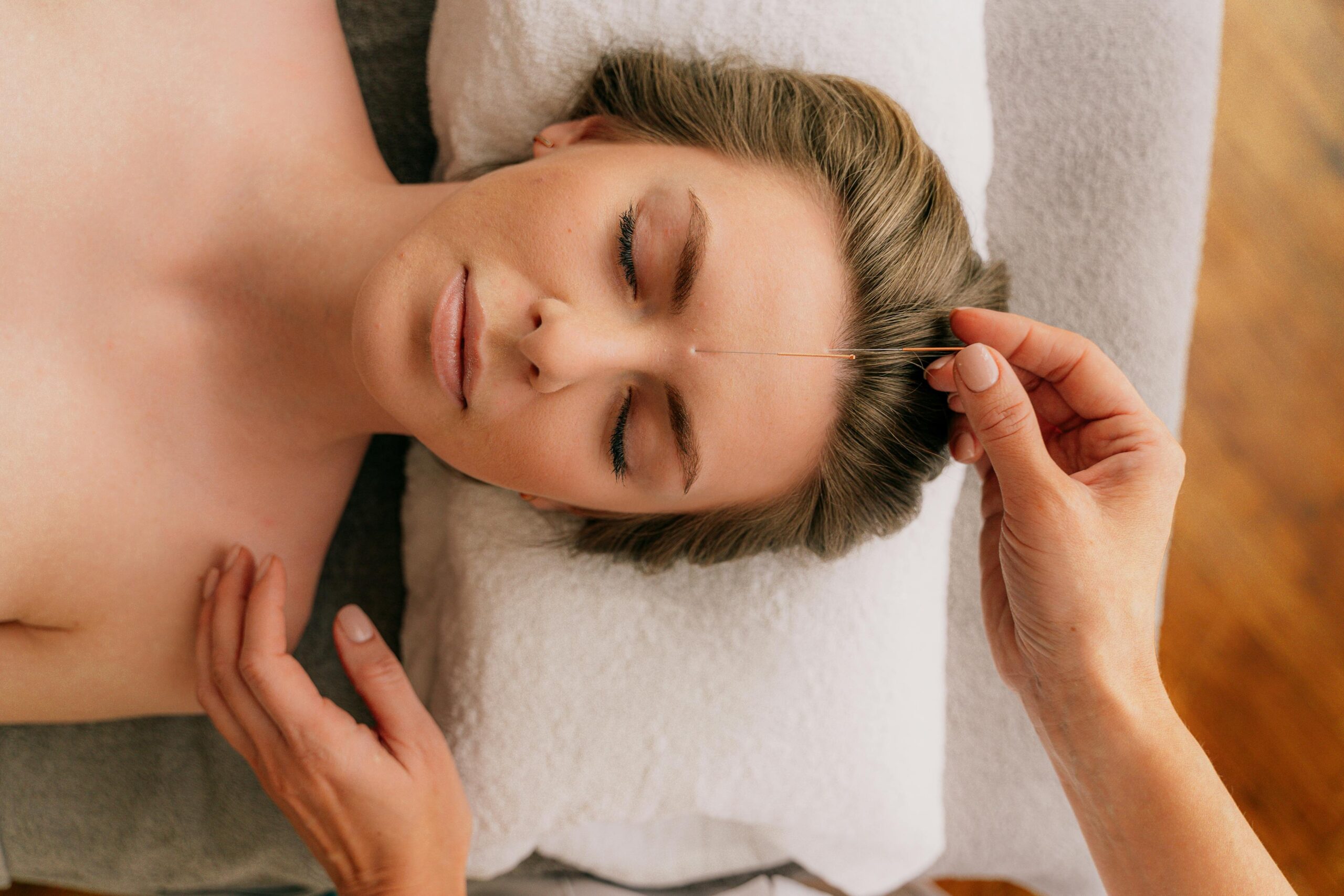
Headaches are a common complaint, but not all headaches originate from the head itself. Cervicogenic headaches are a type of secondary headache caused by problems in the neck, particularly the joints, muscles, or nerves of the upper cervical spine. Because the pain is referred from the neck to the head, these headaches are often mistaken for migraines or tension headaches, making accurate diagnosis and appropriate treatment essential.
What Are Cervicogenic Headaches?
A cervicogenic headache develops when structures in the neck become irritated or dysfunctional, sending pain signals to areas of the head and face. Common sources include stiff or inflamed joints, tight muscles, poor posture, or previous neck injuries such as whiplash.
Cervicogenic headaches typically affect one side of the head, however, may alternate sides based on the irritation and between cycles. The pain often begins at the base of the skull before spreading towards the forehead, temple, or around the eye. Many people also experience neck stiffness, reduced neck movement, or discomfort when maintaining certain postures, such as sitting at a computer for extended periods.
Common Symptoms
Symptoms of a cervicogenic headache may include:
- – Pain that starts in the neck and radiates to the head.
- – Reduced range of motion in the neck.
- – Headache triggered or worsened by neck movement or prolonged postures.
- – Tenderness in the muscles at the base of the skull and upper neck.
- – Pain around the forehead, temple, or behind one eye.
- – Associated shoulder or upper back discomfort.
Because these symptoms can overlap with other headache conditions, a thorough assessment is important to determine the underlying cause.
How Can Physiotherapy Help?
Physiotherapy is considered one of the most effective conservative treatments for cervicogenic headaches. Rather than simply masking symptoms, physiotherapy aims to identify and treat the underlying cause of the headache.
Your physiotherapist will begin with a comprehensive assessment of your neck, posture, movement patterns, muscle strength, and joint mobility. This helps determine whether the headache is originating from the cervical spine and identifies contributing factors.
Treatment may include:
- – Manual therapy: Gentle joint mobilisation and soft tissue techniques can help improve neck mobility, reduce stiffness, and relieve pain.
- – Exercise therapy: Specific exercises strengthen the deep neck muscles, improve posture, and enhance stability to reduce strain on the cervical spine.
- – Postural education: Improving workstation ergonomics and daily movement habits can significantly reduce ongoing stress on the neck.
- – Movement retraining: Learning better movement patterns can prevent recurring irritation of the neck structures.
- – Self-management strategies: Your physiotherapist may recommend stretches, exercises, and lifestyle modifications to help you manage symptoms independently.
When Should You Seek Help?
If you experience recurring headaches that seem to be associated with neck pain or stiffness, it may be worth consulting a physiotherapist. Early assessment and treatment can often prevent symptoms from becoming chronic and improve your quality of life.
However, it is important to seek urgent medical attention if you experience a sudden, severe headache unlike anything you have experienced before, headaches accompanied by fever, confusion, weakness, vision changes, or following significant trauma.
Take the First Step Towards Relief
Living with frequent headaches can affect your work, sleep, exercise, and overall wellbeing. If your headaches are being driven by your neck, physiotherapy offers a safe, evidence-based approach that targets the source of the problem rather than simply treating the symptoms.
With a personalised treatment plan, education, and guided exercise, many people experience significant improvements in both the frequency and intensity of their headaches. If you’re struggling with persistent headaches and neck pain, our experienced physiotherapists are here to help you move more comfortably and get back to doing the things you enjoy.