Migraines: How are they different to a normal headache?
Headaches
Neck Pain
Tension Fatigue
Migraines are more than “just headaches.” They are a complex neurological condition that can significantly affect daily life, work, exercise, sleep, and overall wellbeing. Many people with migraines experience recurring episodes that may include severe head pain, sensitivity to light or sound, nausea, dizziness, visual disturbances, and neck tension.
Because migraine symptoms can overlap with other types of headaches and neck-related pain, getting an accurate diagnosis is important. Understanding the type of headache someone is experiencing helps guide appropriate management and treatment strategies.
Migraine is considered a neurological condition involving increased sensitivity within the nervous system. During a migraine episode, changes occur within the brain and surrounding nerves that can lead to pain and a range of associated symptoms. Triggers can vary between individuals and may include stress, poor sleep, hormonal changes, dehydration, certain foods, fatigue, prolonged screen time, or changes in routine.
Common migraine symptoms may include:
- – Moderate to severe throbbing head pain
- – Pain on one or both sides of the head
- – Sensitivity to light, sound, or smells
- – Nausea or vomiting
- – Visual disturbances or aura
- – Dizziness or balance issues
- – Neck pain and stiffness
- – Fatigue or difficulty concentrating
- – Worsening symptoms with activity
Some people experience warning signs before a migraine begins, known as an aura. This can involve visual changes, numbness, tingling, or speech difficulties. Others may experience neck tightness or increased fatigue in the hours leading up to a migraine.
Importantly, neck pain is very common in people with migraines. Research has shown that the neck and upper cervical spine can become sensitised during migraine episodes. Many people also develop muscle tension and altered movement patterns around the neck and shoulders, which may contribute to symptom severity and frequency.
This is where physiotherapy may help as part of a broader migraine management plan.
Physiotherapists can assess:
- – Neck joint mobility and muscle tension
- – Posture and movement patterns
- – Deep neck flexor muscle function
- – Jaw tension and TMJ involvement
- – Breathing patterns
- – Physical triggers contributing to symptoms
It is important to understand that physiotherapy does not “cure” migraines, as migraines are a neurological condition. However, physiotherapy may help reduce contributing physical factors that increase stress on the nervous system and may assist in improving overall symptom management.
Physiotherapy treatment may include:
- – Manual therapy to reduce neck and shoulder tension
- – Gentle mobility exercises for the cervical spine
- – Deep neck flexor strengthening exercises
- – Postural retraining
- – Breathing and relaxation strategies
- – Advice regarding pacing, sleep, and ergonomic setup
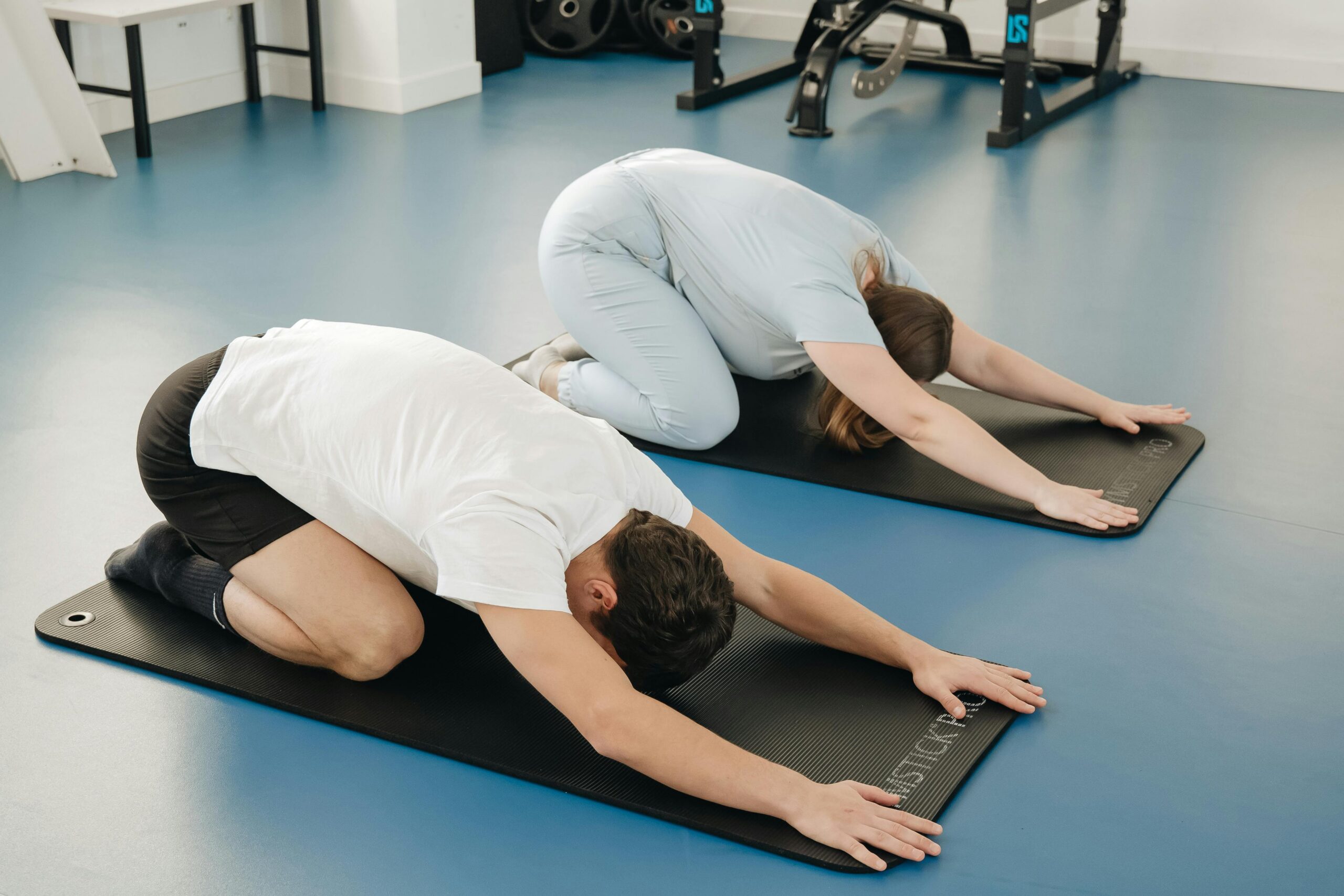
- – Exercise programs to improve overall physical resilience
Exercise can play an important role in migraine management when introduced gradually and appropriately. Regular movement and physical activity may help regulate the nervous system, improve sleep quality, reduce stress, and improve overall tolerance to daily activity.
Education is also a key part of treatment. Physiotherapists can help patients better understand migraine triggers, recognise patterns in symptoms, and develop strategies to reduce flare-ups. Identifying aggravating factors such as prolonged desk posture, jaw clenching, stress, or poor sleep can make a meaningful difference over time.
Because migraines can vary significantly between individuals, treatment should always be tailored to the person. In some cases, physiotherapists may also work alongside GPs, neurologists, or other healthcare professionals to support comprehensive care.
With the right management approach, many people can reduce the frequency or severity of migraines and improve their quality of life. Physiotherapy can help address the physical components associated with migraines while supporting better movement, reduced tension, and improved confidence in daily activities.